


Latin America
Costa Rica is a popular destination for North American travelers for good reason—it’s a short flight away, it doesn’t require a visa for North American citizens, and the USD is widely accepted. But because it’s a nature-focused destination, you’ll want to keep a handful of considerations in mind. You don’t have to be an expert hiker to enjoy all that Costa Rica has to offer, but you will want to bring a pair of binoculars. When you’re exploring with Wilderness Travel, our guides will show you the way—but before that, here are some important travel tips from our experts that you’ll want to know when visiting Costa Rica, from packing a fleece for mornings in the highlands to considering a baggage weight limit on charter flights.
Americans do not need a visa and can typically stay for up to 180 days, though passports must be valid for the total duration of your stay. Immigration officials will often ask for proof of onward or return travel. Multiple airlines operate direct flights from major U.S. cities, including Miami, Atlanta, Dallas, Houston, New York, Los Angeles, and Chicago, to Costa Rica’s main international airports in San José and Liberia. WT provides transfers to and from the airport on days of arrival and departure on all of our Costa Rica adventure tours.
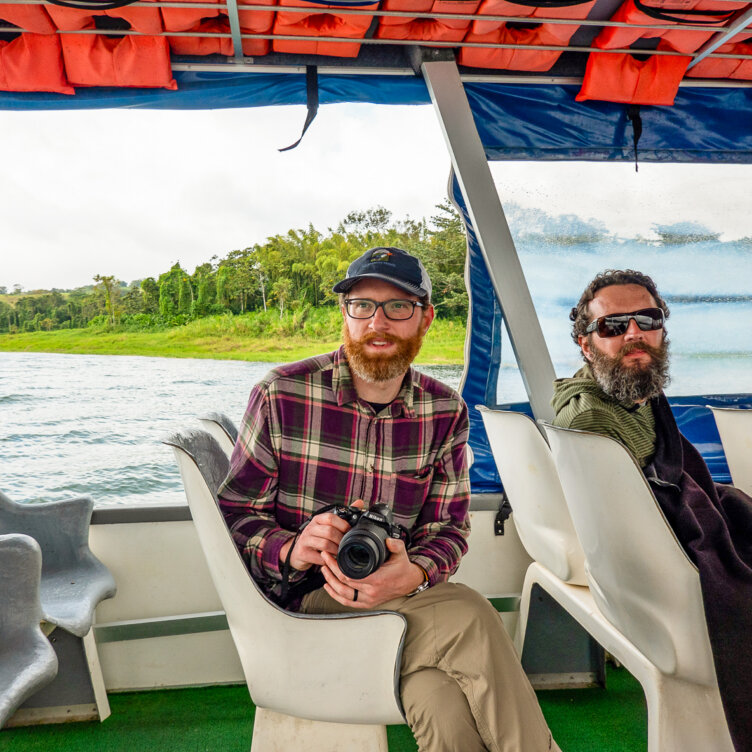
Once you’re on ground, getting around Costa Rica primarily consists of road travel—via rental car, buses, and shuttles—and short haul flights between a dozen or so domestic airfields. Renting a car provides you with the most flexibility but will be the most expensive option, costing around $30 to $80 per day, while public buses are reliable and affordable—costing a few dollars each way. If you’re traveling with WT, all your private ground transportation, boats, and charter flights are coordinated to maximize your time spent exploring this beautiful country.

Though shorts and T-shirts are standard wear in Costa Rica’s tropical climate, you’ll want to be adequately prepared for outdoor adventuring. Lightweight, quick-dry clothes with good coverage are great for hiking through dense jungle, and light layers like fleeces are good for cool highland mornings in regions like Monteverde Cloud Forest Reserve. You’ll want hiking shoes with good traction, Teva-type sandals for back-up, and a rainjacket with hood for year-round showers—and don’t forget your swimsuit!
A wide-brim hat, mineral-based sunscreen (SPF 30+), and reusable water bottle to refill at lodges will help counter sunny, humid days. Bring DEET and use it generously to avoid mosquito bites. And a pair of binoculars will help you spot all the wildlife on display (we recommend a full-size pair with 8x42mm lens and practicing before the trip). Note that there’s a 40-pound checked bag and 10-pound carry-on limit for Tortuguero charter flights, though if needed, excess baggage can be stored with a WT driver.

When searching for Costa Rica wildlife, patience and quiet are key, especially if you’re out on a hike looking for birds and animals on your own, without a guide. But we highly recommend booking at least one wildlife tour—there’s no shortage of guided tours you can book, especially in Costa Rica’s national parks and adventure hotspots. Tours can range from an hour to all day, and a night tour is an especially rewarding experience, during which you’ll see animals that are only out and about at night.
On WT’s Costa Rica tours, you’ll search for wildlife daily with our naturalist guides who show you how to get the most out of your sightings. WT excursions often take place in early morning and late afternoon, when wildlife is at its most active. Binoculars and a camera with a zoom lens are essential for not only observing wildlife but getting the best shots. By the time your WT adventure concludes, you’ll be an expert spotter.
The colón is Costa Rica’s local currency, but US dollars are widely accepted—you don’t necessarily need to take out colones from an ATM to get by in Costa Rica. Rather, bring new, post-2000 US bills in small denominations. Note that colones can’t be taken outside the country. Most major credit cards are accepted at many hotels, restaurants, and shops in Costa Rica.
Tipping in Costa Rica is appreciated but not always required. Check your restaurant bill before adding a tip, as a 10% service charge is sometimes included. It’s common to leave a small tip for hotel staff, like porters and housekeepers, and for tour guides and drivers. Cash tips in both Costa Rican colones or US dollars are welcome.
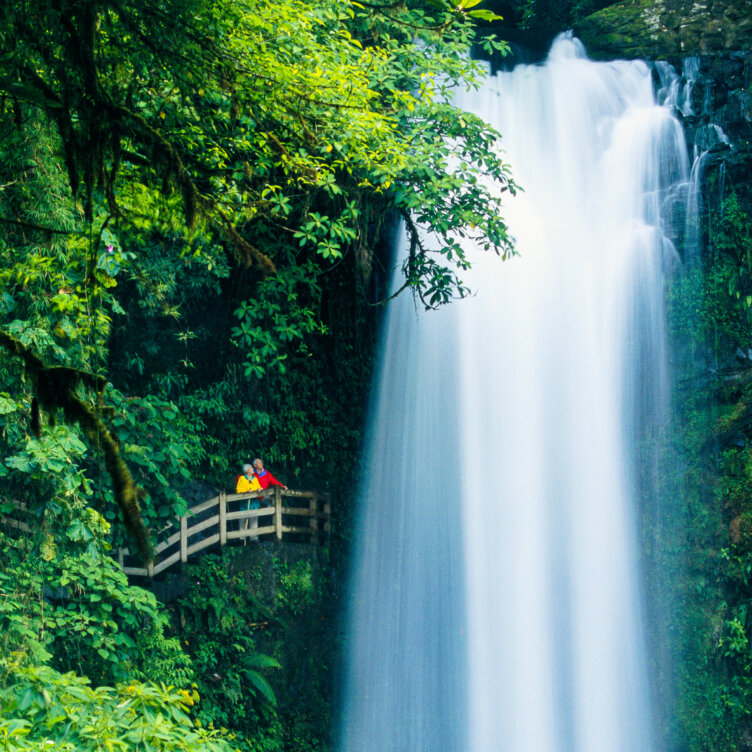
There’s no true best time to go to Costa Rica as it’s a year-round destination: the dry season, from December to April, offers plenty of sunshine and clear conditions for wildlife viewing, while the green season offers lush vegetation, rushing waterfalls, and heightened wildlife activity.
Any time of year, prepare for temperatures averaging in the 70s in highlands areas, including around Arenal Volcano National Park, and humid, hot weather on the coasts, with high temperatures averaging in the 80s and 90s. Rainfall can occur all year long, but green season is when frequent afternoon showers occur, though they are usually brief and can add to the atmosphere.
Almost all hotels and lodges in Costa Rica have wifi, but it’s a good idea to check with your accommodations if you know you’ll need reliable wifi during your travels. All the lodges on WT’s Costa Rica journeys are equipped with WiFi, offering full connectivity during your travels. Cell phone service is also widely available throughout the country—check with your service provider to find out the best international plan for you. Note that the country code is +506. And Costa Rica shares the same 110-volt outlet as the US, so there’s no need to bring a plug adapter or voltage converter.
Despite being one of the world’s great adventure capitals, Costa Rica does not require expert fitness or skill levels to be able to experience fully. There are plenty of ways to get out and about in Costa Rica’s nature with only a moderate level of fitness—like easy hikes, zip lining, boating, swimming, and kayaking.
All three of WT’s Costa Rica itineraries are rated a level 2, meaning the hikes and nature walks are over easy to moderate terrain, average two to four miles in length, and take two to three hours at a time (note: WT’s Corcovado Rainforest Extension and Pacuare Lodge & River Rafting Extension are rated level 3).
Costa Rica requires no vaccinations to enter, but the CDC recommends hepatitis A, typhoid, and a tetanus booster. Because dengue and malaria are present in Costa Rica (malaria is found only in the Alajuela and Limón regions), make sure you use inspect repellent liberally—we recommend sprays, wipes, or lotions with DEET. Tap water is generally safe in the highlights, but use filtered or bottled water when you’re on the coasts. And last but not least: It’s always a good idea to purchase trip insurance.
While this country is a year-round destination, the best months to go to Costa Rica are December through April, as these months are slightly cooler and see less rainfall. July is also a good month to travel to Costa Rica as it sees less precipitation than the rest of the rainy season.
The best things to do in Costa Rica all involve adventuring in the outdoors—some of our favorite activities include walking the hanging bridges in Arenal Volcano National Park, soaking in volcanic hot springs, taking a guided night walk, or taking a boat ride along one of the country’s rivers or lagoons.
Many restaurants in Costa Rica add a 10% service fee to the bill—you’re not expected to leave more than this, or to tip at casual diners (sodas). You should leave a small tip ($1-$10) for service workers like drivers, tour guides, hotel housekeepers, and bellhops.

Small Group Adventure
Costa Rica Wildlife
Costa Rica
Level 2
8 Days
From $7,295

Private Journey
Costa Rica Private Journey
Costa Rica
Level 2
8 Days
From $6,895

Private Journey
Costa Rica Family Private Journey
Costa Rica
Level 2
8 Days
From $5,395

Cruise Collection
Costa Rica & Panama Expedition Cruise
Costa Rica, Panama
Level 1
13 Days
From $9,075
NEW TRIP

Cruise Collection
Wonders of Costa Rica & Panama Cruise
Costa Rica, Panama
Level 1+
12 Days
From $14,495
Learn More
Our Latin America Specialists know every detail about our Costa Rica Tours. They will be happy to answer any questions and help you choose the journey that’s right for you. Contact us to learn more or book your trip today!