

8 Extraordinary Endemic Species & Where to Find Them

Earth’s most remarkable landscapes—the Pacific’s Coral Triangle, East Africa’s lush montane forests, the pristine Galápagos Islands—are also some of its most secluded. In these places you’ll find endemic animals and plants found nowhere else on Earth that evolved to their specific environments over thousands of years. Below, discover some of our favorite endemic species, along with the wildlife adventures on which our expert Trip Leaders will take you to spot them.

RAJA AMPAT
Walking Shark
Found nowhere outside of this Indonesian archipelago, this small nocturnal shark uses its fins like limbs to “walk” across the sea floor. It’s one of countless fascinating creatures you’ll find on a snorkeling expedition to Raja Ampat, like nudibranchs and seahorses.
BORNEO
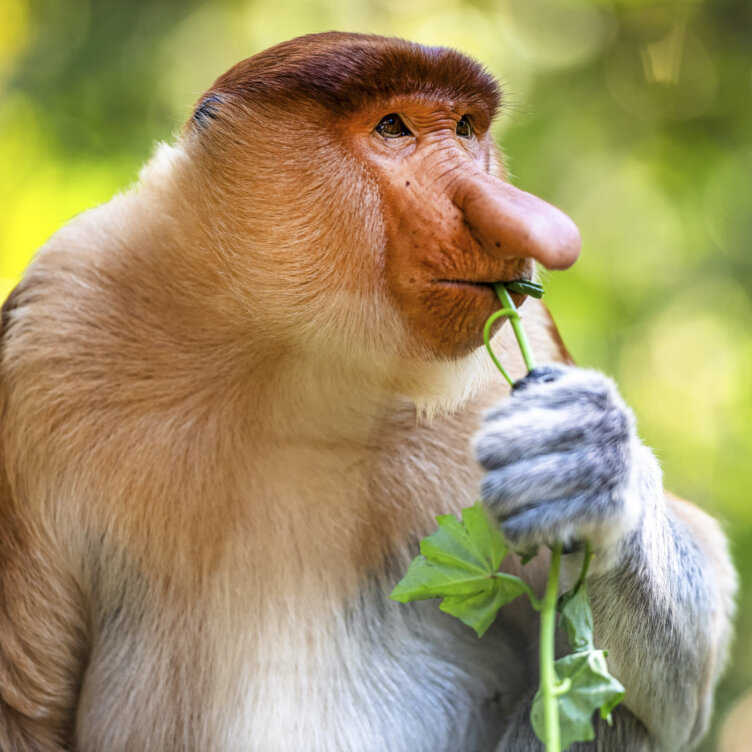
Proboscis Monkey
On our wildlife adventure in Borneo, we spot this endemic primate, known for its huge, bulbous nose, along with other wildlife like orangutans and pygmy elephants. The proboscis monkey is one of the most aquatic primates on Earth, with partially webbed hands and feet.

GALÁPAGOS
Giant Tortoise
The largest of Earth’s tortoises, this reptile lives to over 100 years old and fascinated Darwin on his historic voyage—the tortoises evolved to the slightly different conditions on each island. It’s one of 1,500 species found only in the Galápagos Islands.

UDZUNGWA NATIONAL PARK
Iringa Red Colobus
Found exclusively in the forests of Udzungwa National Park in Southern Tanzania, the Iringa red colobus is one of two primates endemic to the national park. The park’s montane seclusion gives it high levels of endemic wildlife, from birds and reptiles to hundreds of plants.

TASMANIA
Tasmanian Devil
Found only on its namesake Australian island, the Tasmanian devil has, pound for pound, the strongest bite of any living mammal. We’ll look for them and other endemics on walks through Cradle Mountain National Park on our Tasmania hiking journey.
ALBERTINE RIFT
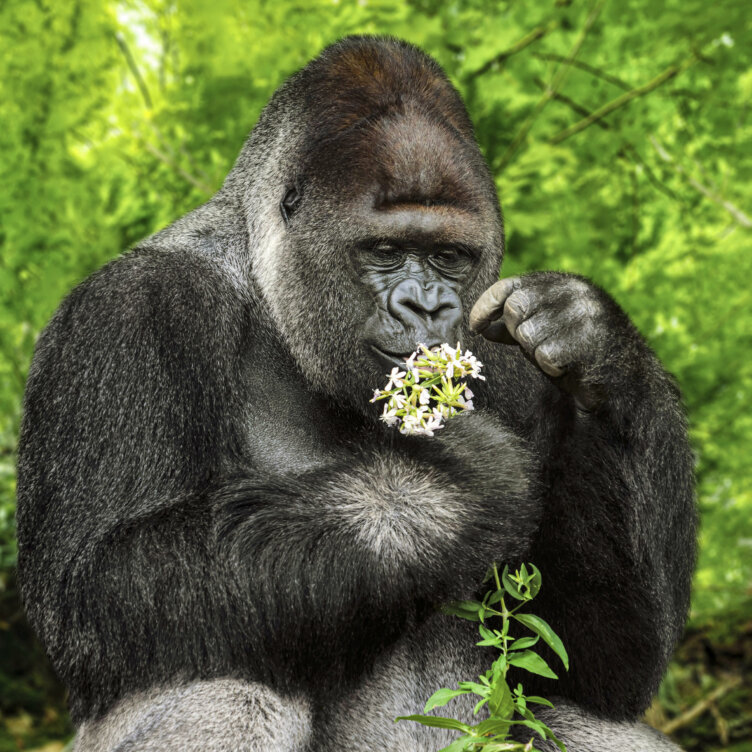
Mountain Gorilla
The global population of mountain gorillas, just over 1,000 individuals, is restricted to about 300 square miles in Uganda and Rwanda, roughly the size of New York City. In recent decades, gorilla conservation has brought them back from the brink of extinction.

NEW ZEALAND
Kiwi & Kea
The only bird with nostrils at the tip of its beak, the kiwi is flightless and can sniff out worms underground. The kea, found only in New Zealand’s Southern Alps, is the only alpine parrot and one of Earth’s most intelligent birds, able to solve multi-step problems.

MADAGASCAR
Indri
Lemurs are endemic to Madagascar, and the indri, the largest of the lemur species, has a haunting song that carries over a mile through the rainforest canopy—researchers found indri calls follow the same precise rhythmic patterns as human music.
Frequently Asked Questions
An endemic species is an animal or plant that’s found nowhere else on the planet other than the specific region in which it lives. For example, Tasmanian devils are endemic to Tasmania. But lions are not endemic to Tanzania—they live in lots of different countries.
While native species are indigenous to the specific area where they live (they didn’t migrate there from somewhere else), endemic species are indigenous to their region and are also found in no other region on Earth.
While Brazil is the country with the highest total number of endemic plants and animals, Madagascar has the highest percentage of endemic species relative to its non-endemic species. We discover many of these endemic animals and plants on our Madagascar wildlife tours.


October 5, 2026
