
Arrive: Addis Ababa, Ethiopia
Depart: Addis Ababa, Ethiopia
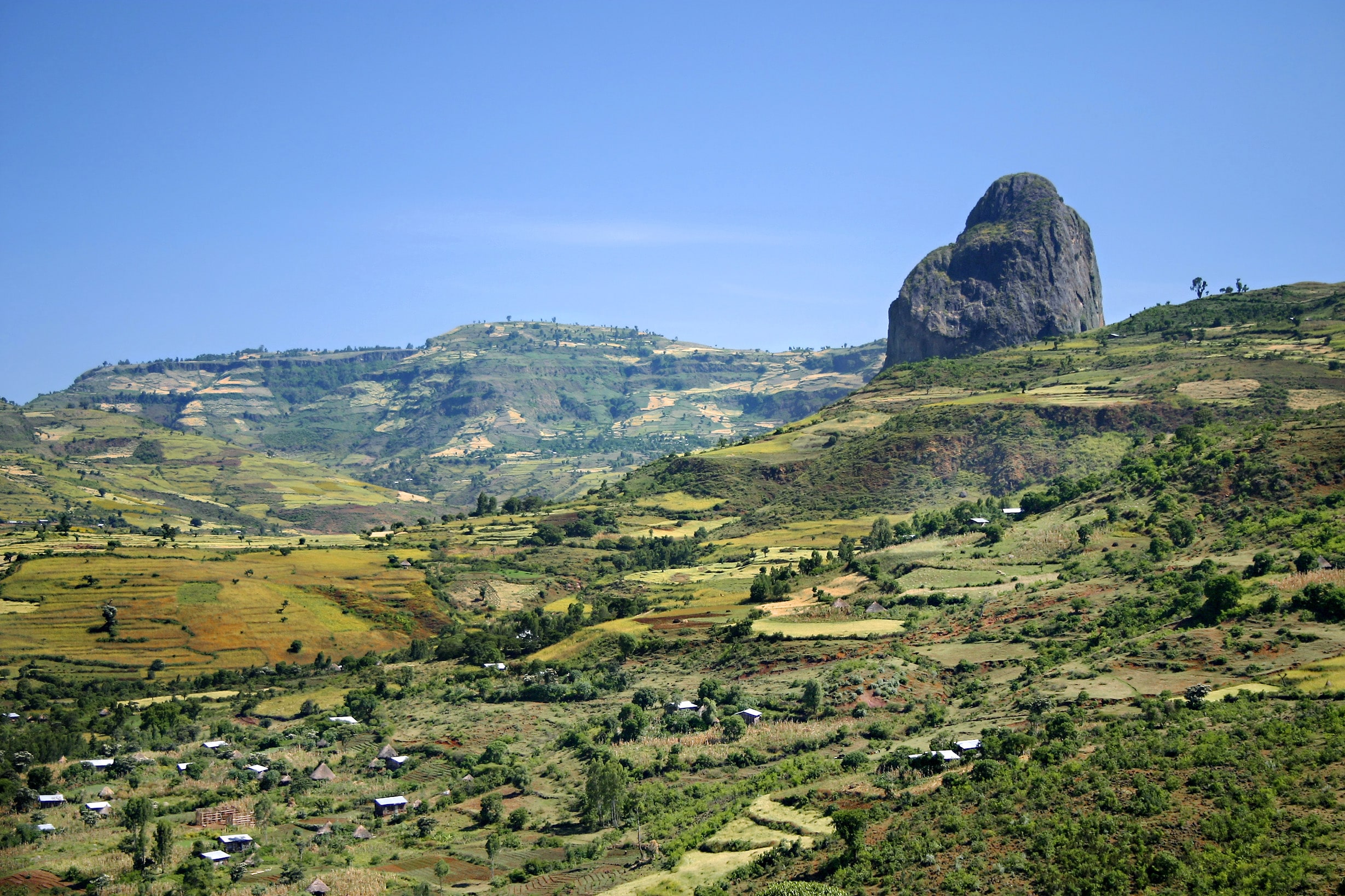
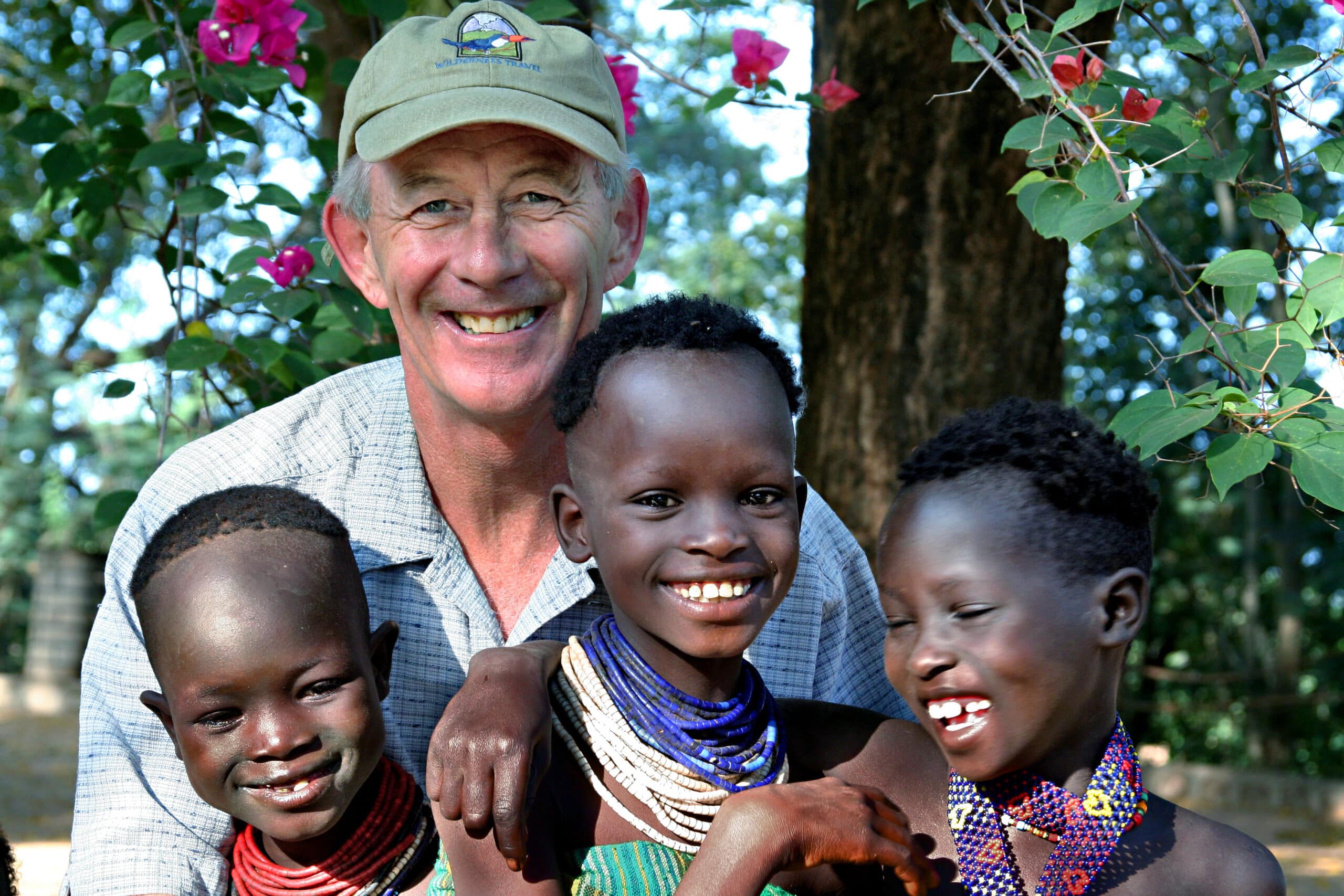
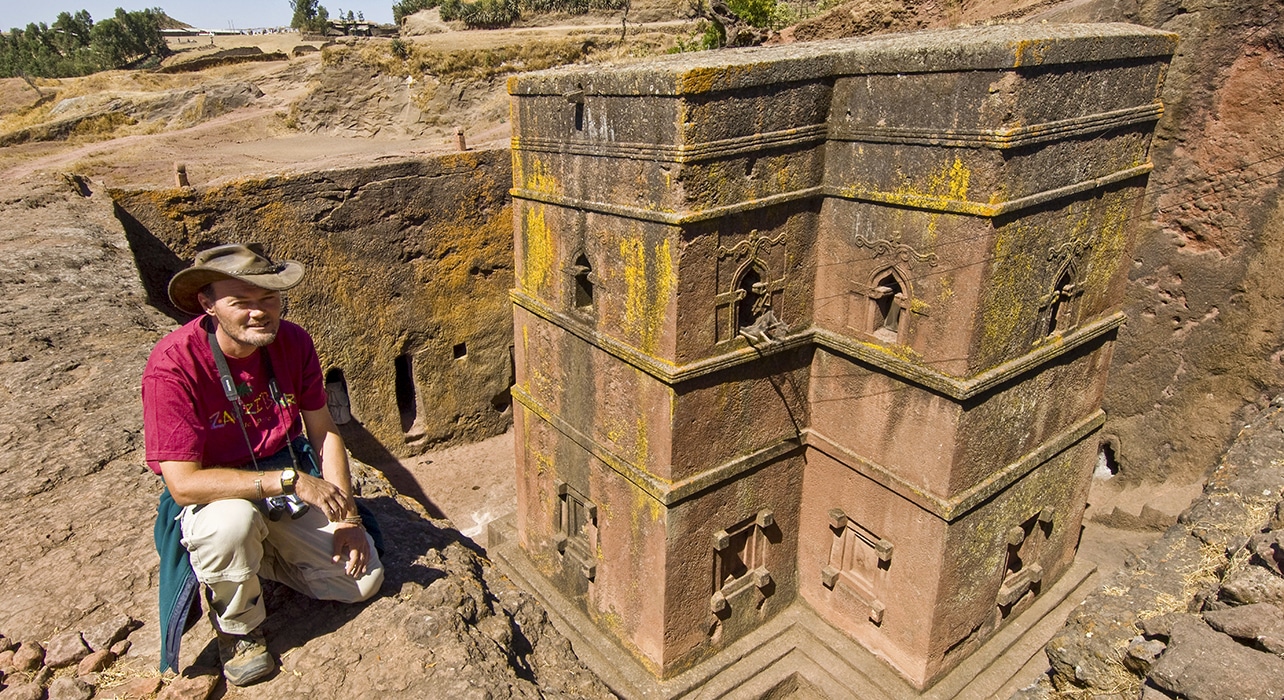
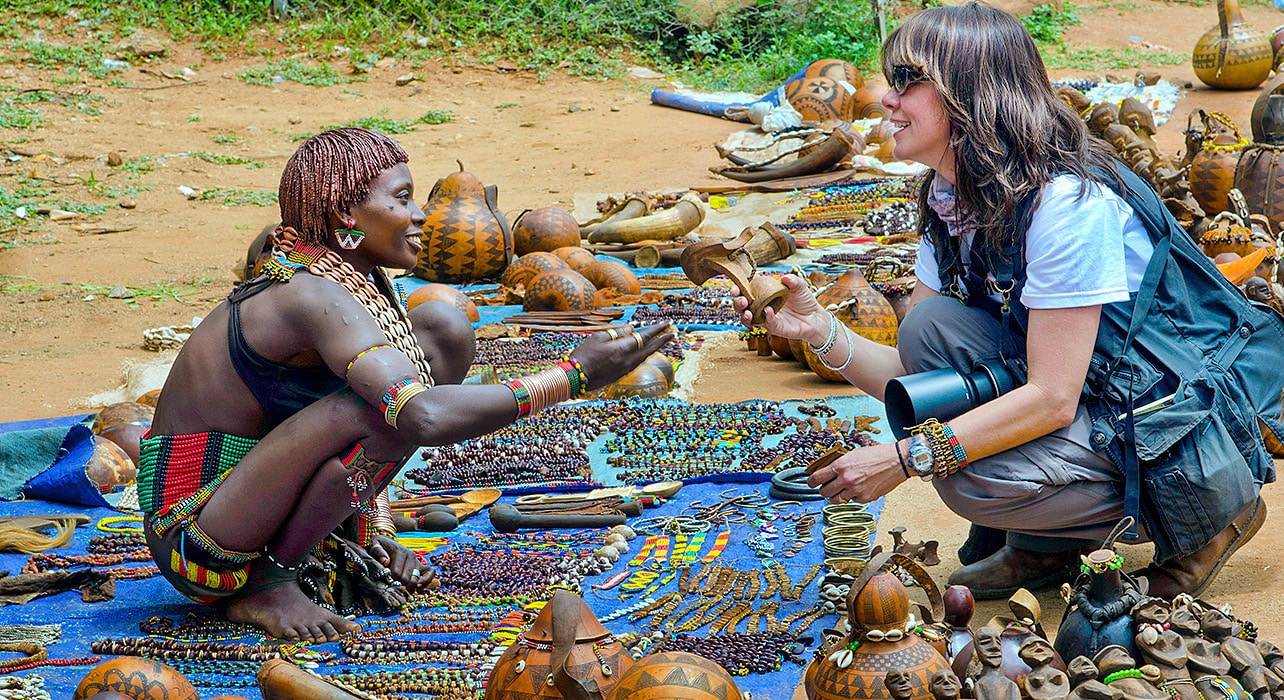
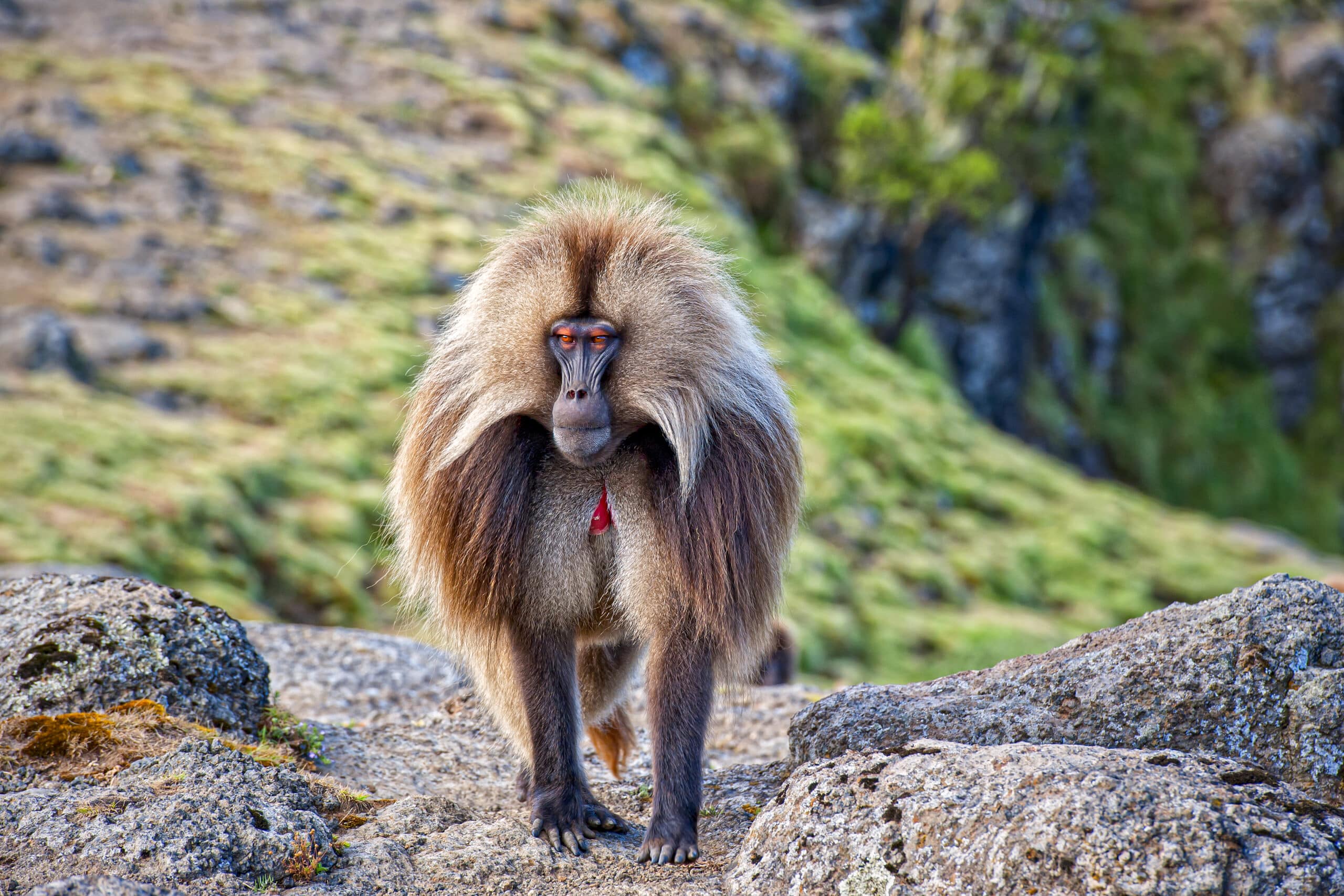
Our trip is designed so that anyone in good physical condition can participate. We encourage you to make an effort to get in good physical condition with exercise beyond your normal routine.
Accommodations at the Sheraton in Addis are excellent, as is the food at that international-standard hotel. Outside of Addis, we stay in "best available" hotels. Although there are private bathrooms in the rooms, you must expect only cold-water showers! Outside of Addis, our meals will be simple and lack variety because there are limited resources in the countryside. Ethiopia has some good beers, but the local wines are not distinguished. You may want to bring your favorite alcoholic beverage from a duty-free shop. Electricity in hotels in rural areas can be intermittent and sometimes generators are operated only during certain hours of the day.
Road travel in rural Ethiopia is very challenging. Our vehicles may break down or get flat tires on occasion, and that can delay the trip. We use vans for the trip, but they may not compare favorably with the vehicles you may be familiar with from safari countries such as Botswana and Kenya. While we are on our rural road journeys, there are no organized toilet facilities available. We will make "pit stops" from time to time so trip members can get out of the vehicle and find a private spot behind a bush.
In Ethiopia, air schedules can often be altered and new government regulations are implemented suddenly. We ask that you bring flexibility and a spirit of adventure to this unique journey, and take pleasure in the knowledge that you will be visiting a fascinating country.
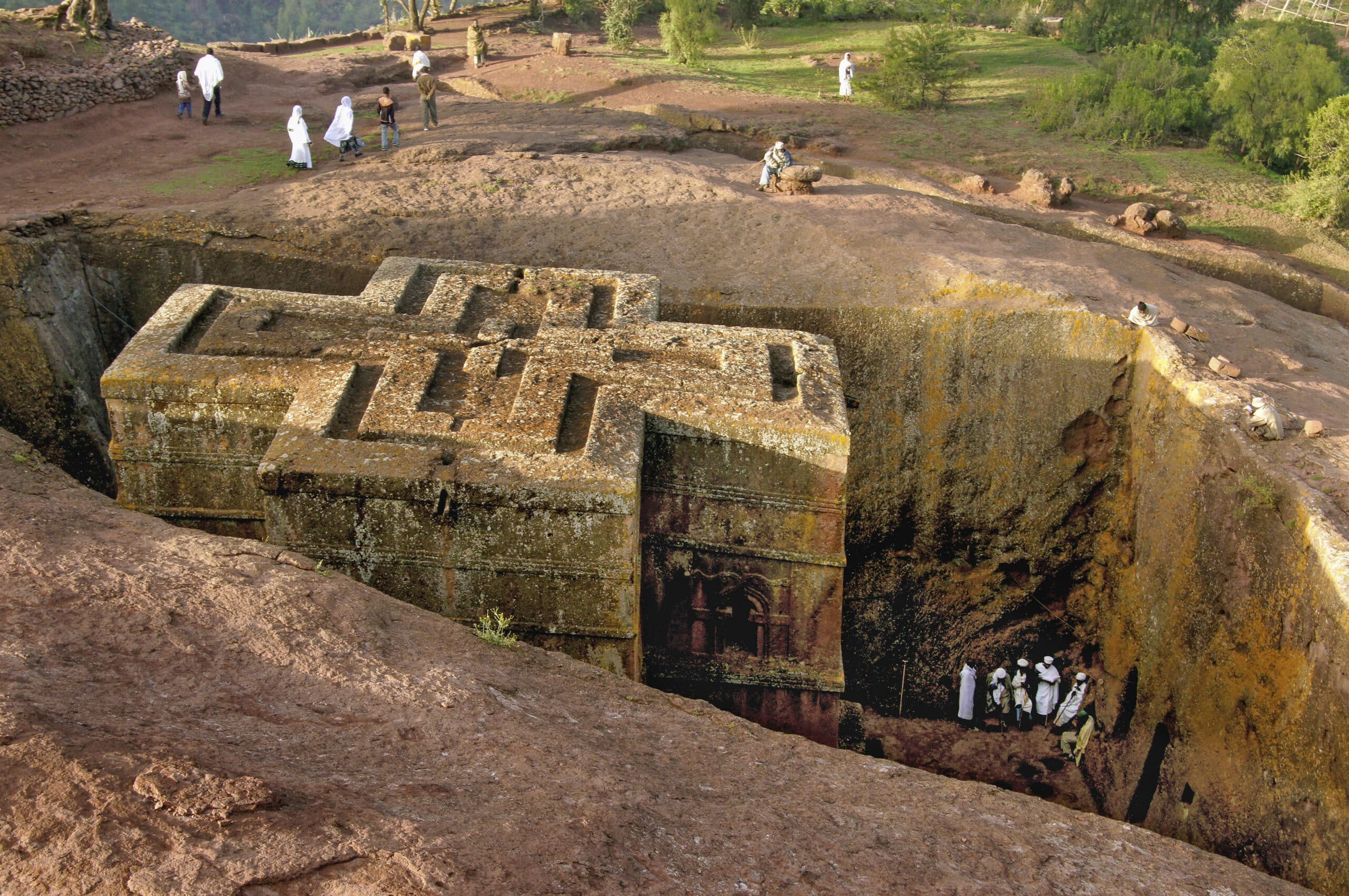
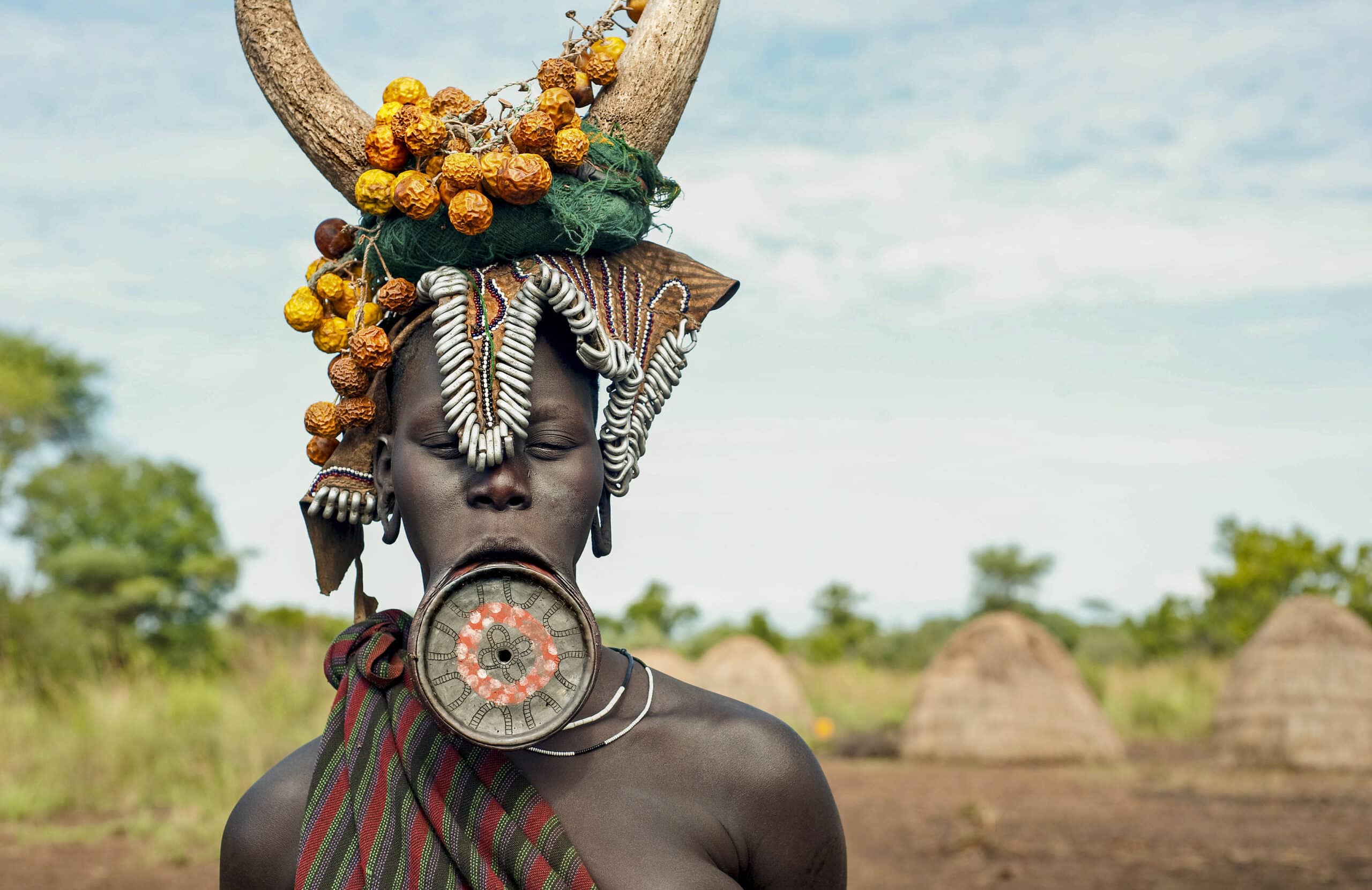
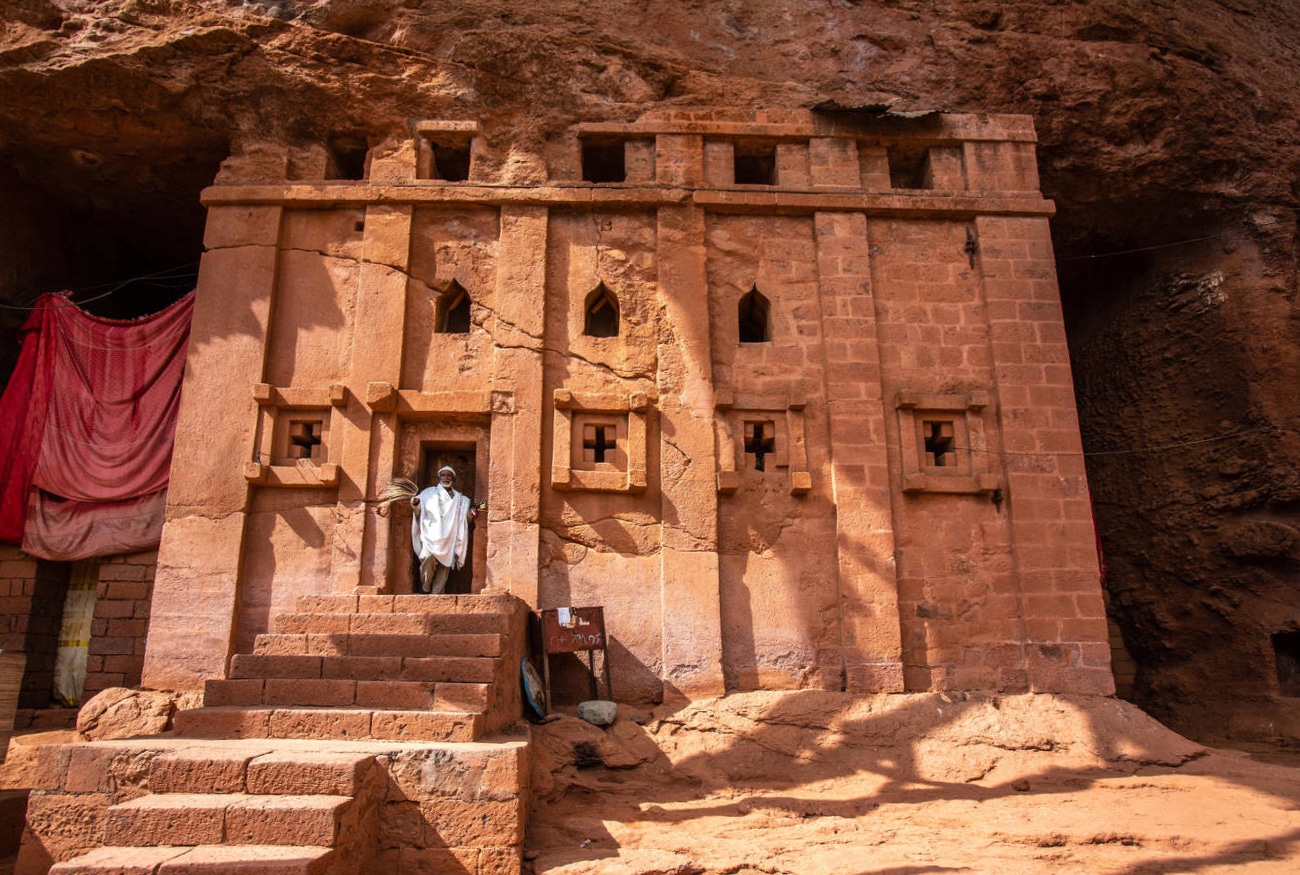
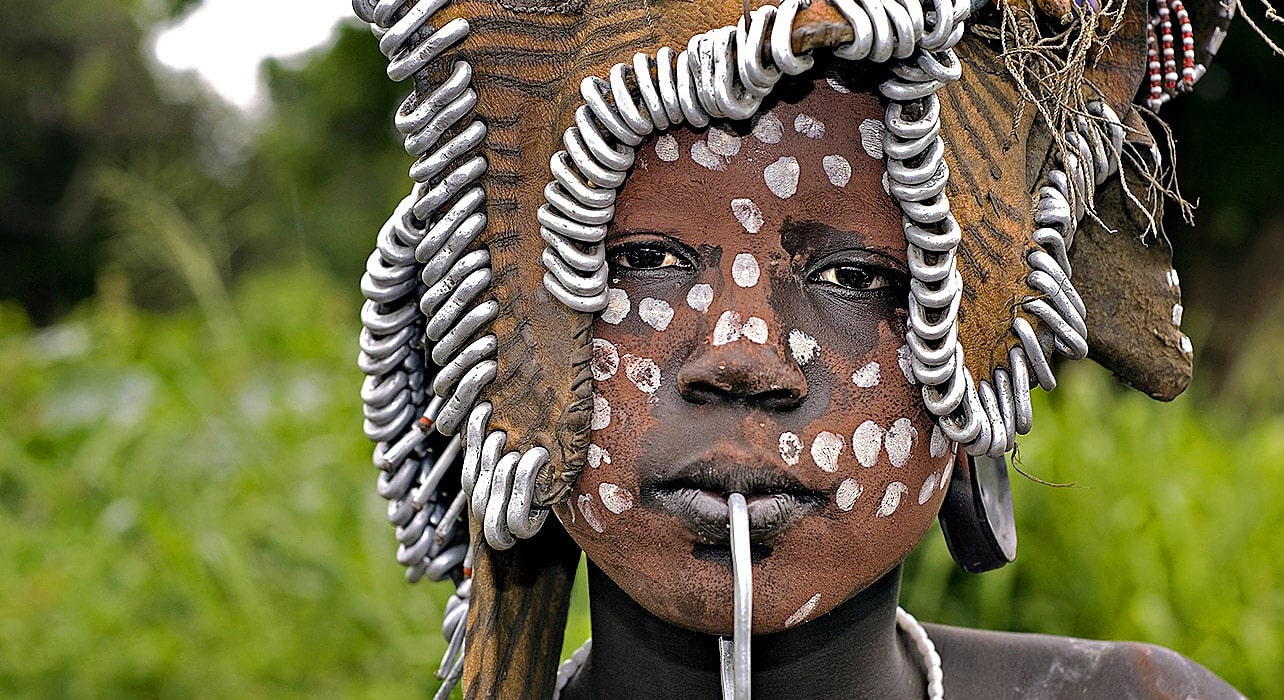
"This was an awesome trip. The native tribes in the south were so interesting. The rock hewn churches of the north were a fascination."
Barbara B.
Sammamish, WA
"This trip was fantastic! It is in my top tier of trips I have taken, and I have loved them all."
Diane M.
Elm Grove, WI
"This trip was extraordinarily well planned, making each day value-packed in order to fit in the breadth of exposure to Ethiopia's historical and cultural heritage. Reflecting on all we were able to see, I am amazed."
Elsie M.
Providence, RI
"The group size, the leadership, and the itinerary make this the best way to experience Ethiopia."
Jeff P.
Paradise Valley, AZ
"Great itinerary with a wonderful combination of cities and tribal cultures."
Julia D.
San Carlos, CA
"This was my third trip with WT and it certainly won’t be my last. The itinerary was fascinating, our Trip Leader delightful, and the WT office wonderfully responsive."
Sandra C.
New York, NY
"This was a spectacular trip to an amazing country, led by a fantastic guide!"
Teresa B.
Bethesda, MD
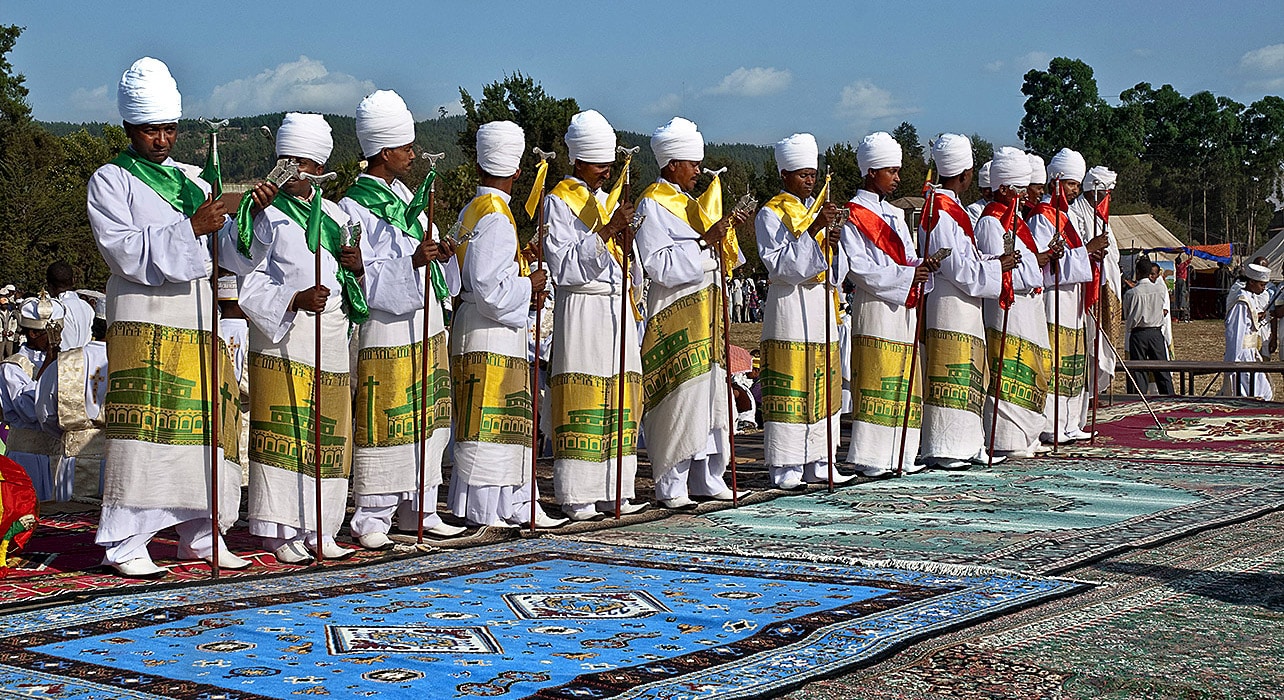
"The highlight of the trip by far was being in Lalibala over Christmas—thousands of pilgrims in a magnificent setting, singing, ululating, oozing spirituality. A photography paradise."
William N.
Long Beach, CA
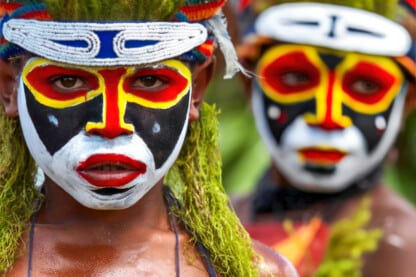
Cruise Collection
Explore the Wonders of Papua New Guinea, the Solomon Islands, and Vanuatu
Australia, Papua New Guinea, Solomon Islands, Vanuatu
Level 1
17 Days
From $10,695
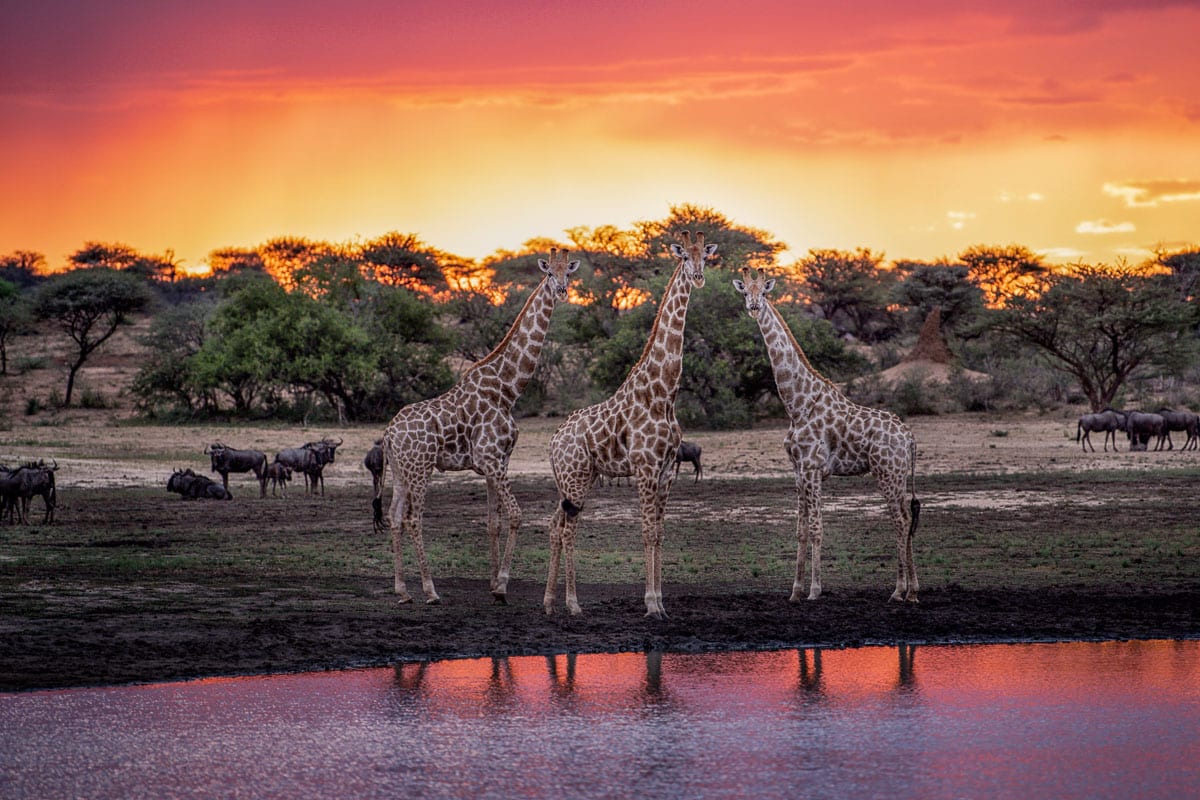
Small Group Adventure
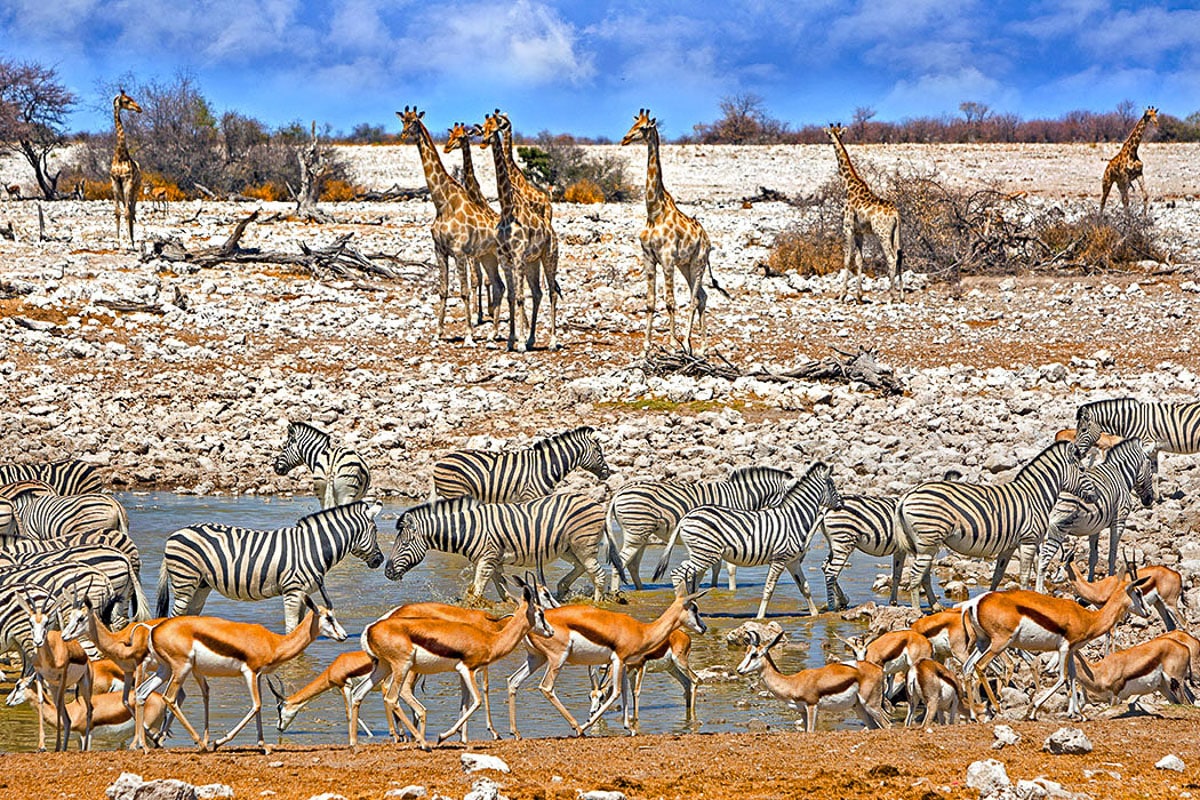
Namibia: Green Season Safari
Namibia
Level 3
14 Days
From $9,795
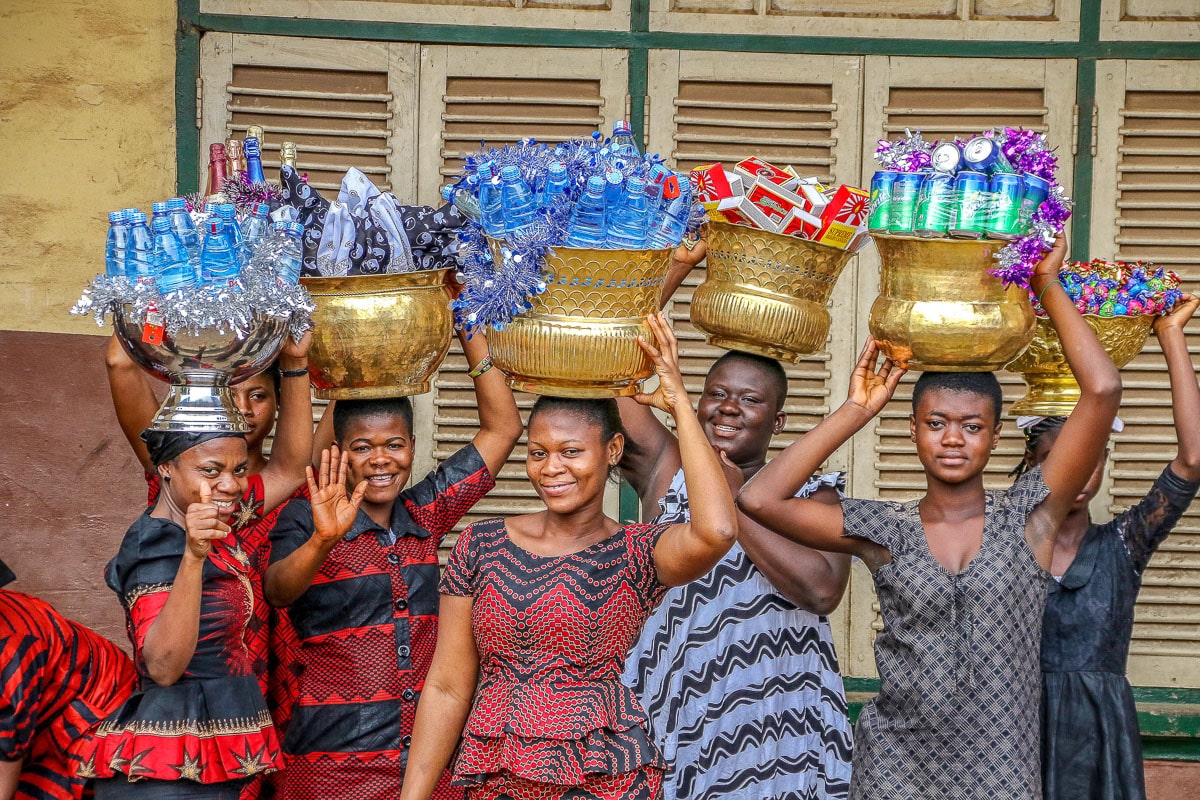
Small Group Adventure
Tribal Ghana, Togo, and Benin
Benin, Ghana, Togo
Level 3
15 Days
From $7,995
Small Group Adventure
Ultimate Namibia and Botswana
Namibia, Zimbabwe, Botswana
Level 2+
13 Days
From $11,595
Our Area Specialists know every detail about our tours. They will be happy to answer any questions and help you choose the journey that’s right for you. Contact us to learn more or book your trip today!
Submit the form below to download itinerary
With more than 200 different adventures to choose from, we want to help you find the trip that’s right for you. Our Trip Level system ranks each trip in two ways: a number rating from 1 to 6 according to the activity, and general travel rigors. 1 is the easiest and 6+ the most difficult—see descriptions below for explanations of each number. A plus (+) sign means the trip is a bit more strenuous than other trips of that level. The detailed explanation of each trip—below the bar with the number rating—is perhaps more important, specifying activities, altitudes, hiking, and travel conditions. The Detailed Itinerary, available by download or mail, gives further information. Our Area Managers can also answer questions and guide you to the trip that best suits your interests.
Level 1 – Easiest
Non-camping journeys, optional walks, little elevation gain or loss.
Level 2 – Easy to Moderate
Hotel nights and/or safari-style camping, hikes of two to four hours on some days. Other physical activities are sometimes included, such as optional sea kayaking.
Level 3 – Moderate
Half- to full-day hikes (3-6 hours) over rolling countryside on most days, occasional steep trails. Many of our hotel-based walking tours are in this category, as are our snorkeling adventures.
Level 4 – Moderate to Strenuous
Full-day hikes (4-6 hours), mountainous terrain, significant elevation gains and losses (hiking up or down as much as 3,000 feet) on many days. Altitudes no greater than about 10,000 feet.
Level 5 – Strenuous
Full-day hikes (4-8 hours), mountainous, steep terrain (hiking up or down as much as 3,500 feet) on many days. Trips with hiking at average altitudes of 10,000 to 12,000 feet are in this category.
Level 6 – Very Strenuous
Full-day hikes (5-8 hours), mountainous, steep terrain (hiking up or down as much as 3,500 feet) on many days. Most hikes take place at altitudes above 10,000 feet, with some days ascending as high as 18,000 feet.